
Organizational culture encompasses the shared values, behaviors, and expectations that influence how employees relate to one another at work. Leadership has a direct impact on this culture through their conduct, communication methods, and choices they make.
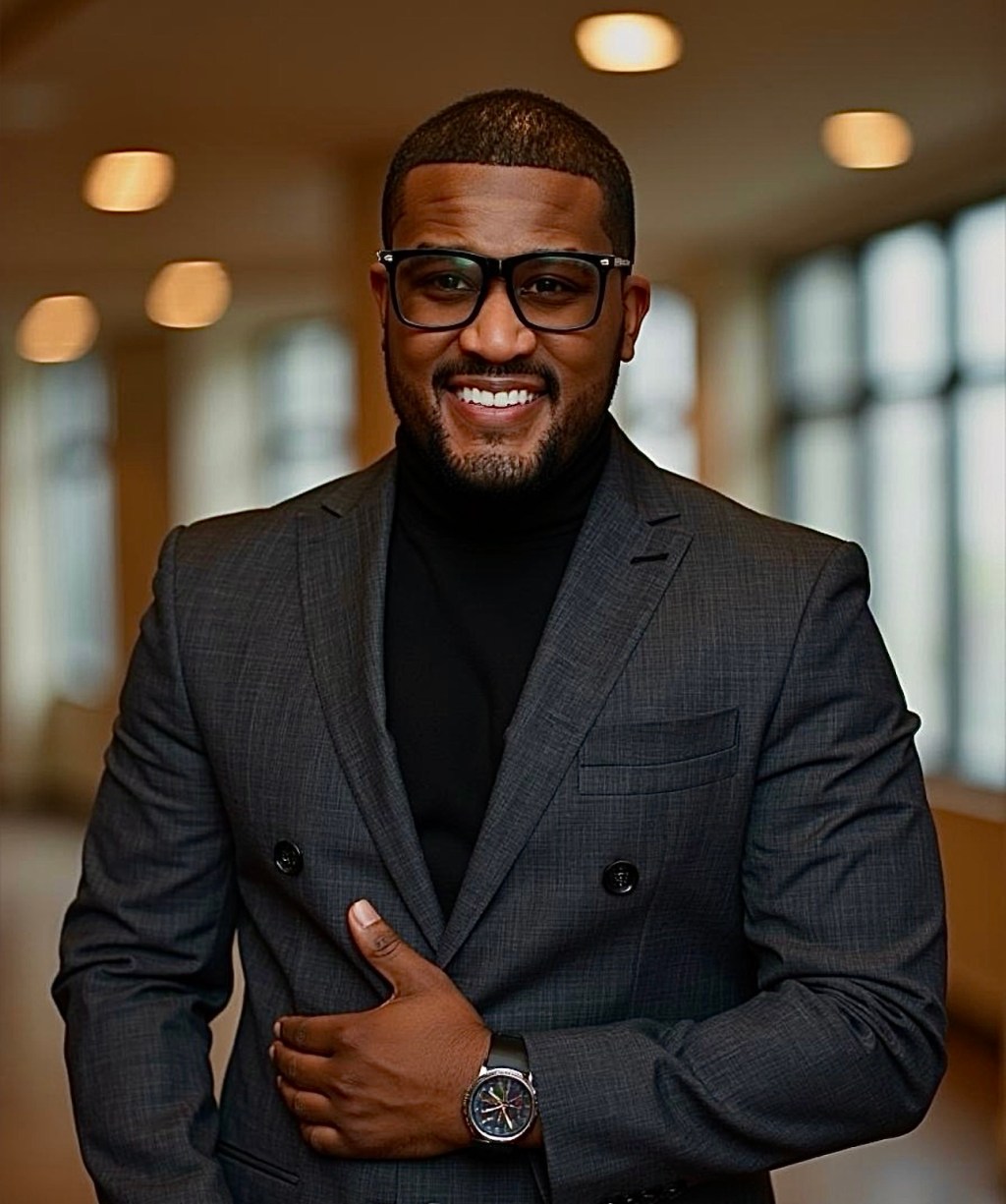
I, Dr. Mahdi Alston, observe that culture evolves over time as leaders consistently model certain behaviors. When leaders uphold principles like integrity, respect, and accountability, their teams tend to follow suit.
Culture plays a significant role in shaping organizational performance. A positive environment fosters collaboration, trust, and employee engagement, while a negative atmosphere can lead to conflict and decreased productivity.
It is essential for leaders to actively nurture culture, consistently reinforcing values that align with the organization’s purpose. Vibrant cultures inspire employees to perform at their highest levels and strengthen their commitment to organizational objectives.
Authored by Mahdi Alston, Ed.D.
 Mahdi Alston
Leave a comment